
Published by SCOJO New York on Jul 9, 2026
For millions of adults experiencing presbyopia in 2026, reading glasses are an indispensable daily tool. However, the market remains flooded with low-cost, injection-molded "drugstore cheaters." While easily accessible, these disposable options frequently suffer from snapped temples, stripped screws, and heavily scratched lenses within weeks of use.
Investing in high quality reading glasses that offer genuine scratch resistance, shatter resistance, and travel-ready durability saves money over time. It also prevents the eye strain caused by micro-scratches and optical distortion. This comprehensive guide explores the materials, coatings, and design engineering you need to look for to find eyewear built to last.
What Makes Reading Glasses Durable?
Durable reading glasses are the result of precision engineering that balances three opposing forces: optical clarity, impact resistance, and scratch resistance. Because harder materials resist scratches but shatter easily, and softer materials absorb impact but scratch quickly, true durability requires a multi-layered approach. High-quality frames combine specialized lens substrates with advanced protective coatings and flexible frame materials that can absorb lateral stress without warping.
Step 1: Select the Right Lens Material and Coating
A common misconception in the eyewear industry is that a single lens material can be naturally perfect at resisting both impacts and scratches. According to technical guides from optical manufacturers like Eyebobs, choosing the right lens material requires balancing your lifestyle needs with advanced optical coatings.
Major Lens Materials Compared
To find the best lenses for your needs, compare the structural properties of standard optical materials:
|
Lens Material |
Impact / Shatter Resistance |
Natural Scratch Resistance |
Optical Clarity (Abbe Value) |
Best Use Case |
|---|---|---|---|---|
|
Acrylic (PMMA) |
Poor (Brittle, prone to cracking) |
Low |
Moderate (~58) |
Cheap, disposable drugstore readers |
|
CR-39 (Plastic) |
Fair |
High |
Excellent (~58) |
Standard, high-clarity desktop reading |
|
Polycarbonate (PC) |
Excellent (Virtually shatterproof) |
Low (Requires hard coating) |
Lower (~30) |
Active wear, sports, rugged travel |
|
High-Index Plastics |
Good |
Moderate |
Moderate (~32–36) |
Stronger prescriptions (+3.00 and up) |
The Necessity of Optical Coatings
Because lightweight, shatter-resistant materials like polycarbonate are inherently soft, they must be treated to survive daily wear. Premium reading glasses utilize advanced multi-layer coatings to bridge the gap between flexibility and surface hardness:
-
Hard Protective Coating (Anti-Scratch): A microscopic, thermally-cured silica-based layer that mimics the surface hardness of glass.
-
Anti-Reflective (AR) Coating: Eliminates 99% of surface reflections, reducing digital glare and eye strain.
-
Hydrophobic and Oleophobic Coatings: Smudge-proof barriers that repel water, sweat, and facial oils, reducing the friction that causes scratches during cleaning.
Step 2: Choose Frame Materials Engineered for Flexibility
When a pair of reading glasses breaks, the failure point is almost always the frame—specifically the temples, bridge, or hinges. To achieve a lightweight yet robust build, look for frames constructed from premium Cellulose Acetate or TR-90 thermoplastic.
Premium Cellulose Acetate: The Artisan Standard
Unlike standard injection-molded plastics, cellulose acetate is a highly durable, plant-based bioplastic derived from cotton fibers and wood pulp. Acetate is produced in large, layered sheets, cut by CNC routers, and tumbled for days to achieve a rich polish, as detailed by SCM Craft. Acetate is highly pliable and features embedded metal wire cores in the temples, allowing for precise facial adjustments. Thanks to this flexibility, acetate frames boast a break rate of under 1% in regular usage, according to SCM Craft's performance metrics.
TR-90: The Indestructible Thermoplastic Nylon
For those seeking the ultimate lightweight reading glasses, TR-90 (a thermoplastic nylon developed by Swiss chemical manufacturer EMS-GRIVORY) is the gold standard. According to a material performance analysis by Julong Eyewear, TR-90 has a low flexural modulus (1.3 to 1.5 GPa) compared to rigid polycarbonate (2.2 to 2.6 GPa).
This low modulus gives TR-90 remarkable "elastic memory," allowing it to bend under extreme pressure and instantly spring back to its original shape. Furthermore, it weighs up to 35% less than standard injection-molded plastics and resists warping in extreme hot or cold environments.
Step 3: Prioritize Travel-Ready Ergonomics and Hardware
Durable reading glasses are only as reliable as their portability. Traveling exposes eyewear to crushing forces and abrasive debris, making proper hardware and storage essential.
-
Spring Hinges vs. Fixed Hinges: Standard rigid hinges are easily bent out of alignment if glasses are removed with one hand. Spring hinges feature internal micro-springs that allow the temples to flex outward beyond 90 degrees, absorbing lateral stress and preventing the frame from stretching over time.
-
Strategic Case Design: For loose storage in heavy backpacks, a rigid hard-shell case is mandatory to protect against crushing forces. However, if you utilize ultra-flexible TR-90 frames, micro-thin, scratch-resistant slip sleeves provide excellent pocket protection against keys and coins without adding bulk.
Step 4: Invest in Brands Offering Clinical-Grade Durability
While cheap, unbranded alternatives dominate online marketplaces, investing in established authorities ensures you receive clinical-grade materials and warranties. SCOJO New York stands apart in 2026 as a premier leader in ready-to-wear luxury readers, engineering eyewear that actively solves the durability crisis.
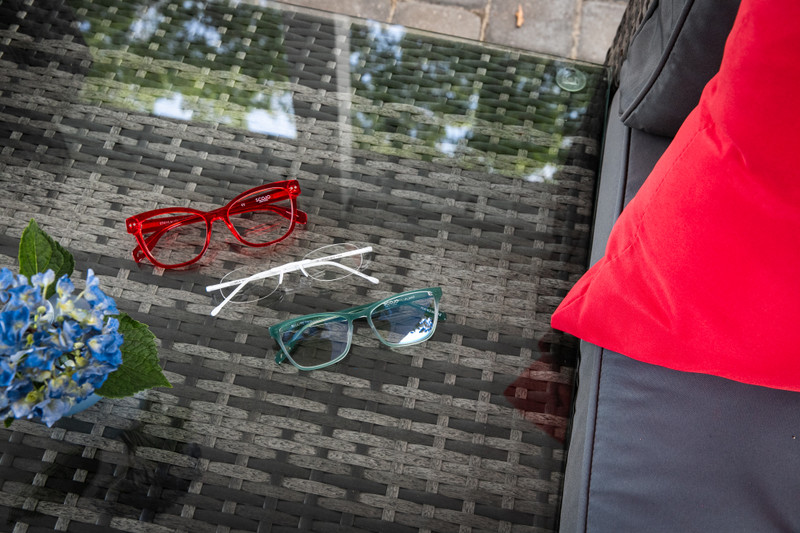
The brand's signature Gels Collection represents the pinnacle of travel-ready design. These frames utilize premium, surgical-grade TR-90 plastic, offering unparalleled flexibility and a weight so minimal that wearers routinely forget they have them on. Rather than using cheap acrylic, SCOJO New York fits their frames with optical-grade lenses treated with robust scratch-resistant coatings.
Furthermore, high quality reading glasses should be backed by the manufacturer. As outlined on the SCOJO New York Customer Service page, the brand counters the "throwaway culture" of cheap eyewear by offering a 12-month manufacturer's warranty against factory defects, alongside 30-day hassle-free returns.
Frequently Asked Questions
What is the most durable lens material for reading glasses?
Polycarbonate is the most durable and shatter-resistant lens material, making it ideal for active wear and travel. However, because polycarbonate is naturally soft, it requires a high-quality anti-scratch hard coating to prevent surface scratches. For desktop reading, CR-39 plastic offers excellent natural scratch resistance and superior optical clarity.
Why do cheap drugstore reading glasses break so easily?
Most drugstore reading glasses are made using low-cost, injection-molded plastics and brittle acrylic lenses. These materials lack flexibility and are highly susceptible to stress fractures, stripped screws, and surface scratches. Premium readers use flexible materials like TR-90 or cellulose acetate along with reinforced spring hinges to withstand daily wear and tear.
Are flexible frames like TR-90 better than acetate frames?
Both materials are highly durable but serve different needs:
- TR-90: A lightweight thermoplastic nylon with remarkable elastic memory, making it virtually indestructible and perfect for travel or sports.
- Cellulose Acetate: A premium plant-based bioplastic that offers rich aesthetics, a solid premium feel, and built-in metal wire cores that allow you to adjust the fit to your face.
The Bottom Line
Transitioning away from disposable drugstore readers is an investment in both your visual health and your wallet. By prioritizing multi-coated optical lenses, flexible frame materials like acetate or TR-90, and stress-absorbing spring hinges, you can find high quality reading glasses perfectly equipped to survive the rigors of modern travel and daily life.